
Category Archives: Uncategorized

For all of us, the pandemic ushered in a new, digital-centric way of life. Under lockdown and circuit breaker restrictions, our professional workspaces shifted to the virtual realm, as did our personal interactions. Businesses faced an unprecedented mindset shift, which superseded proven business models and enforced a newer operational paradigm. Amidst uncertainty, digitisation became the linchpin of business continuity.

As businesses adjust to the new normal, one thing is clear: customers, employees and other stakeholders across the value chain face long-term behavioural changes owing to the pandemic. For instance, low-touch or contactless processes and systems have gained significant momentum over the last three months.

As business starts opening up, traditional models are being challenged like never before. Digitisation is now the key priority. However, several sectors, like manufacturing, cannot go completely digital. Hence, marrying the online and offline worlds to create a cohesive ‘phygital’ experience – a hybrid of physical and digital – is the best way forward.

Stepping up the game with phygital

The combination of physical and digital methodologies will help create new value propositions and help companies respond with far greater efficiency. In today’s increasingly virtual, ecosystem, agility will make a difference in accelerating innovation, realigning customer experience and redoubling efforts on sustainability.

A phygital strategy can channelise efforts in four areas: unlocking growth, rebuilding operations, rethinking organisational priorities, and enhancing customer-centricity. These benefits will accelerate growth and scalability by:

  •  Ramping up the ability to make data-driven decisions
  • Inculcating learning platforms that foster holistic growth of employees
  • Cultivating a work culture that nurtures innovation and value creation
  • Boosting organisational resilience through more anytime, anywhere touchpoints
  • Increasing the opportunities for mutually beneficial partnerships with stakeholders

The bottom line: businesses that step up their game with a phygital approach will be well equipped to confront challenges and opportunities of the next normal.

Embracing the future of work with phygital

A future– marked by the increased adoption of technology and automation – was always coming. COVID-19 hastened the pace at which it turned into a reality. Over the last few months, we’ve learned how to complete tasks remotely and leverage more and more collaboration and digital tools.

In the days to come, phygital can unlock growth in many other avenues, including:

  • Customer interactions: Customer interactions, especially pre-sales, product demonstrations, sales delivery, payments and after-sales services, are seeing a significant uptick in digital interventions. With remarkable mobile penetration and internet connectivity, even across remote rural areas, smartphones will become a key sales and customer connect tool.
  • Operations: In operations, the impact will be more profound. Factories and manufacturing plants will see physical distancing for safe work and better workforce planning, alongside cost-effective automation. Instead of manual, repetitive tasks, human capital gets freed up for analytical, tactical and strategic roles. This shift will call for substantial investment in workforce engagement and training in new skills, much of it delivered using digital tools.
  • Innovation: Phygital strategies should reflect changing customer expectations. To adapt to the new normal, businesses must rethink conventional processes and develop innovative digital alternatives. The emphasis, though, will be on creating modern customer touchpoints, to help them carry out the complete journey – from initial research to purchase and service – online. For businesses, this would imply the establishment of novel digital distribution models, finance and service options alongside contactless or low-touch experiences for all stakeholders.

An optimum mix of physical and digital processes is critical to thrive in the future. Reimagining sustainable operations phygitally will become a key competitive advantage. In response to dramatic changes in organisational structures, customer expectations and demand-supply disruptions, companies must rethink their phygital strategies as they return to full speed.
How are you feeling today? Excited? Bored? Exhausted or worried? Our state of mind and the way we feel affect our thoughts and behaviours every day. They also influence our ability to handle stress, overcome challenges and bounce back from adversity.

Over the last few months, we’ve faced unprecedented challenges. And with them a wave of worrying emotions such as anxiety, stress and uncertainty

As we come to terms with a new normal, paying special attention to our physical and mental well-being is more important than ever.

A new reality, a new way of life

After being confined to our homes for months, we’re slowly getting back to our regular routines. For many of us, the return might be phased, gradual and staggered. Professional and personal interactions will shift to a hybrid of in-person and virtual modes, with a focus on social distancing.

As we prepare ourselves to get back to life – both in office and at home – many things that we took for granted earlier might now become a luxury or be totally absent due to social distancing norms.
While our body and mind will try to adapt to this new reality, we should take care of our mental well-being.

A calm mindset

More often than not, mental health issues are ignored or not understood. It is critical to recognize that there is more to mental health than the absence of problems. Those who are psychologically healthy are:

  • Strong, happy people with a zest for life and laughter
  • Content, confident and have a high self-esteem
  • Resilient to handle stress and recover from adversities
  • Flexible to adapt to change and acquire new skills

However, it doesn’t mean that you never face emotional problems or bad times. All of us go through stress, disappointments and loss. Just as we bounce back to health from a physical illness through better immunity, a positive outlook helps us be psychologically resilient.

How can we respond to the new environment in a way that will boost our overall well-being? Here are a few approaches that can help:

  • Stay happy: Negative emotions are bound to occur however, we need to focus on being happy. Rather than trying to escape or push them away, it is time to acknowledge them. Focus on spending time in meaningful, joyful activities. Instead of fighting emotions, it’s better to invest our energy in shaping the best possible outcomes.
  • Seek purpose: Now that our old routines are a thing of the past, establishing a new rhythm can help improve predictability and provide a sense of purpose. While binge-watching movies or television shows or playing online games is good for entertainment, mindful utilisation of time towards acts of kindness can connect us to what matters the most. In the post-work hours on hand, you can enrich life through purposeful pursuits that bring joy and contentment.
  • Make self-care a priority: Physical activities and good nutrition have a direct correlation with our psychological well-being. Whether it is a 20-minute run on the treadmill or an online fitness class with friends, set aside time for rejuvenation. Altering your workout schedule to the new normal can positively impact mental health.
  • Nurture relationships: These trying times offer opportunities to deepen relationships with our family and friends. It’s also an unexpected opportunity to slow down and reflect on life as we know it. Going forward, we might be in a better position to leave behind things that weigh us down and focus on relationships that uplift us.
  • Reach out for help: Feel free to reach out to your colleagues, seniors or friends in case you need help with your mental health. In many cultures, reaching out for professional help has a social worry associated with it. It is normal to seek advice for staying mentally and physically fit in the new environment.

Holistic wellbeing is essential for everyone – individuals, teams, organisations and the society as a whole. Our experience in the crisis can help us emerge with a renewed appreciation of life and higher emotional quotient. With care for ourselves and those around us, we can all stay strong and transform for the better.

The pandemic has highlighted how little acts of kindness can uplift and inspire us. Be it stories of common people reaching out to help the needy or organisations extending a helping hand to communities.

While our circumstances might have been different, our collective experience during the pandemic has taught us that as a society, we have the ability to impact those around us with compassion and care.

Delivering a cleaner, healthier, and better life in the communities around us

At AM International and all our group companies, we’ve focused on addressing the prerequisites for primary health, such as safe water, hygiene, nutrition and education.

Advancing our efforts during the lockdown, we conducted a philanthropic needs assessment. We found that access to food and hygiene products has decreased significantly. Therefore, across our group companies – be it Southern Petrochemical Industries Corporation (SPIC), Manali Petrochemicals Limited (MPL) or AM Foundation – we have redoubled our community efforts.

Our group entities partnered with the local government authorities and distributed food kits, along with health and hygiene essentials like face masks, sanitisers, and spray pumps. We supported both our frontline warriors and the communities around us. We’re proud that our employees were actively involved in organising such programs and ensuring their success.

Some of the areas where we worked:

Nutrition

nutrition

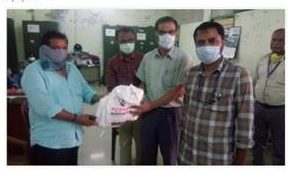
MPL partnered with the Executive Magistrate, Tiruvottiyur Taluk in Chennai, to support people with disabilities. Aimed to support communities in the vicinity of our premises in Manali Industrial Area, Chennai, the food kits comprised of essential supplies like 5 kg of rice, 1 litre of cooking oil and 1 kg of lentils.

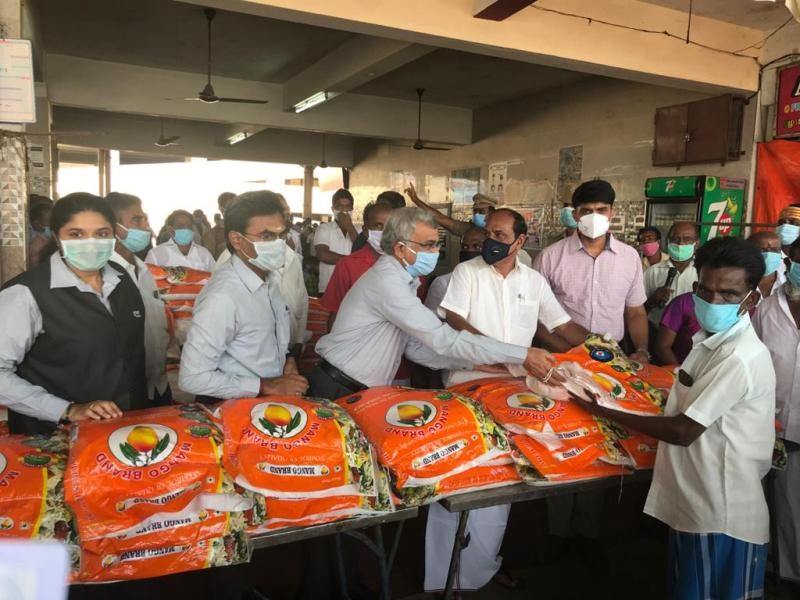
NutritionThrough SPIC, our flagship entity, we joined forces with the government and district administration to provide around 1,000 food kits to the most vulnerable sections of the society. In the august presence of Mr Kadambur Raju (Information & Publicity Minister, Govt. of Tamil Nadu) and Mr Sandeep Nanduri (District Collector), our team, led by Mr SR Ramakrishnan (Wholetime Director), distributed these kits to communities in Kovilpatti village, Thootukudi district.
Further, SPIC donated 1,250 kg of rice to marginalised communities in Thootukudi, in the presence of district administrative officials, including Mr Sandeep Nanduri (District Collector), Mr Arun Balagopalan (Superintendent of Police) and Mr VP Jayaseelan (Corporation Commissioner).

To support daily wage earners who have been severely affected during the lockdown, SPIC also contributed 1,250 kg of rice to Thoothukudi Corporation. In addition, the company partnered with the local police department to distribute food packets to 250 people every day.

Through such initiatives, we strove to ensure that our communities can sustain themselves during the lockdown.

Healthcare and hygiene

In these challenging times, supporting the ecosystem of healthcare workers and public caretakers in the communities we operate in, remains a key focus.

healthcare

To combat the scarcity of hand sanitisers, we commenced the production of alcohol-based sanitisers at SPIC’s manufacturing facilities and distributed them to local authorities engaged in community sanitisation efforts. This included the offices of Ms Kanimozhi, Thoothukudi Member of Parliament, the Superintendent of Police of Thoothukudi, and the government fire department.

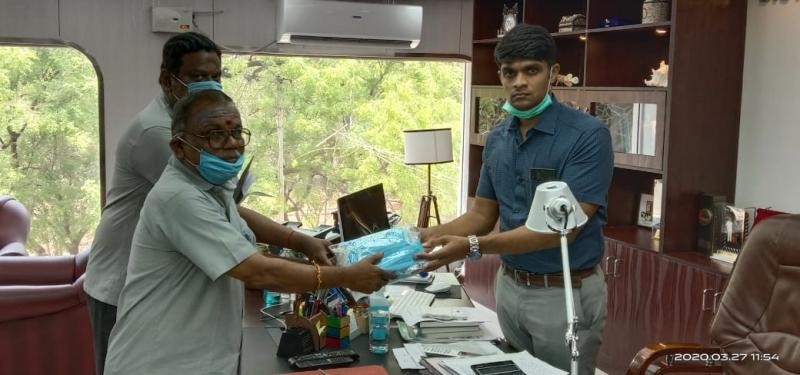
Along with hand sanitisers, we contributed over 6,500 face masks to various departments along with 5,000 masks to the District Collectors’ office. These face masks are for their use as well as for distribution among the members of vulnerable communities.

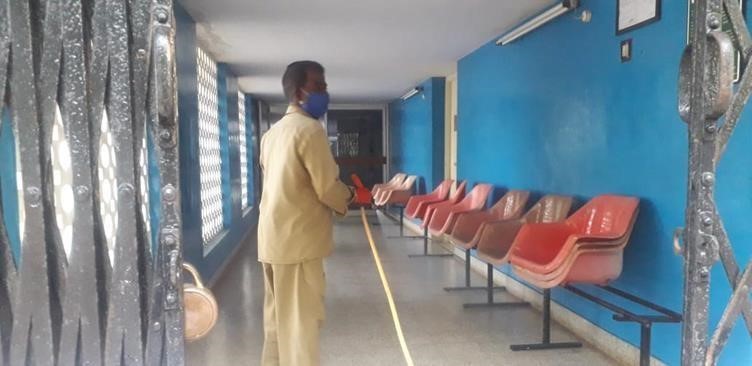
healthcareFurther, to augment our sanitation and hygiene efforts in the context of COVID-19, we joined hands with Thoothukudi Corporation. The district’s Public Health Department has been utilising SPIC’s high-pressure jet pump to disinfect public places as a part of its routine cleaning schedule.
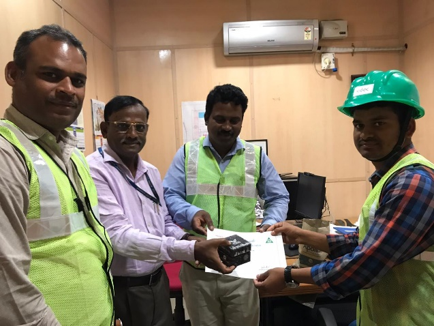

Scaling up healthcare infrastructure is another critical priority. To ramp up the availability of beds at Thoothukudi Hospital, SPIC contributed INR 2,00,000 for mattress procurement. The cheque was handed over to Mr Kadambur Raju, Information Minister, Tamil Nadu.

Creating powerful ripples of positive change

Going forward, working with local communities with a sense of purpose and mitigating their daily challenges will be a critical social responsibility for every organisation. When we emerge on the other side of this crisis, we will look back on this time with a sense of pride, in how we lent a helping hand to the needy, how we were kind and compassionate to one another and how we faced hardships together.

As an African proverb goes, “If you want to go quickly, go alone. If you want to go far, go together.” Despite our physical distances, our shared experiences and care will forge stronger bonds in the new normal.

What’s the first thing you’d like to do once lockdowns are eased and it’s relatively safe to venture out? Visit your loved ones? How about a leisurely dinner at your favourite restaurant? Or a trip to a faraway land to leave the pandemic worries behind?

Whatever your choice, the experience is sure to be different with the pandemic bringing about a new normal.

A new way of life

  • Authorities have already begun revamping transport systems and other infrastructure to enable citizens to maintain distance in public spaces.
  • Service providers are implementing no-contact or less-contact delivery modes to prevent possible transmission.
  • Office spaces are being reconfigured to suit ‘physical distancing’ mandates.
  • Governments are adopting high-tech measures to monitor adherence to regulations and conduct contact tracing efficiently.

As we walk out of our homes post the lockdown, we will encounter a new world order. The way we travel, live, socialise and work will have changed significantly.

Here are a few ways in which life as we know it, will be markedly different:

Socially distant dining: How comfortable will you be to grab a bite in a crowded eatery? It’s quite likely that you’ll avoid it and opt for a safer choice – perhaps another restaurant that has spaced out tables or an outlet that offers takeaways you can relish from the comfort (and safety) of your home.

As our focus shifts towards increased hygiene and well-being, eateries will veer towards socially distant dining. Consequently, cloud kitchens will gain momentum over diners. Restaurants and food delivery companies will enforce tighter regulations, like regular temperature checks for employees and frequent sanitisation of kitchen tops and dining tables.

Weddings and private celebrations: In many countries, big fat weddings are a cultural norm. In the new world order, that might no longer be so. During the lockdown, couples across the globe have opted for private ceremonies and online nuptials. Going forward too, gathering in large crowds could be considered as an unnecessary risk. Instead live streaming of weddings for friends and family or taking vows online may continue to be a safer alternative.

Grocerants and experiential services: As an alternative to crowded malls or food courts in movie theatres, experiential, high-quality services will be in the limelight. How about experiential dining at your local grocer? This concept, called grocerant, a combination of grocery store and restaurant, is gaining popularity in many cities world over.

From whole foods and sustainable shopping choices to homemade cakes and specialities, grocerants are transforming into culinary destinations with tailormade food experiences. Therefore, at a grocerant a short walk away from home, you could soon not only shop for essentials but also try special sauces or gourmet desserts.

All in all, spurred by the pandemic, there is a new world order taking shape that we all must embrace. The old saying of ‘Change is the only constant’ will be true like never before.

As countries around the world prepare to ease lockdown restrictions and facilitate a return to work, many questions are weighing on our minds. When will life regain some semblance of normalcy? What will work in the post-COVID-19 world look like?

The situation is unprecedented and there is no clear end in sight. However, one thing is certain – as a society, we must learn to live with COVID-19 till a vaccine or medicine is available. And self-precaution is the best way. The return to work will be gradual and office or factory life will be markedly different. Undoubtedly, the use of protective gear, strict adherence to social distancing norms and other measures will be indispensable.

Here are a few guidelines to help get back to work and embrace a new, healthy future in the days to come:

1. Practise caution at all times

Wearing masks and other personal protective equipment can reduce your chances of being infected with COVID-19 or unknowingly spreading the virus to those around you. Other precautions include:

No-contact greetings:
Whether you see your colleagues after ages or meet a client for an important business deal, a no-contact greeting, like a wave or a nod is a safer choice over a handshake. A ‘namaste’ is also a nice way to greet and say hello.

Regular handwashing:
In office spaces and other common areas, there could be several frequently touched surfaces. It is therefore important to wash your hands with soap regularly or use an alcohol-based sanitiser at frequent intervals.

Workplace etiquette:
Following good respiratory hygiene, by covering the mouth when you sneeze or cough and immediately washing hands goes a long way in preventing the spread of germs. In frequented areas like lifts, conference rooms, canteens or company buses, take extra precaution to protect yourself and everyone else.

2. Maintain social distancing

Maintaining at least 1-3 meter distance with others protects you from possible microbes if an infected person coughs or sneezes close by. In day-to-day activities, like shopping for essentials, taking public transport or working in offices and factories, make it a point to practice social distancing norms as per your government directives. It is also important to avoid crowded areas and opt for safer modes of transport that allow physical distancing.

3. Self-isolate if you are unwell

If you are experiencing even mild discomfort, like a cold, cough or flu-like symptoms, stay at home and be in isolation, while keeping your coworkers in the loop. Ignoring the symptoms and continuing to work could not only deteriorate your health but also put your family members and colleagues at risk.

You can also use self-help apps provided by governments and healthcare providers to assess your symptoms remotely or seek medical attention if required.

  • For instance, the Singapore government’s TraceTogether app aims to combat the spread of COVID-19 through community-driven contact tracing.
  • In India, the Aarogya Setu app by the Government of India supports citizens with real-time information and assistance.
  • If you are in the United Kingdom, NHS COVID-19 app helps everyone stay safe and healthy.

For most of us, adapting to new ways of working will require a gradual mindset shift. Practising the guidelines above can make your transition back to the workplace smooth, safe and successful.

At AM International and all our group companies, the health, safety and well-being of our workforce is our top priority. Thus, we are focusing our efforts on returning to the workplace – safely and sustainably

April 14, 2020

Beat lockdown blues

The outbreak of COVID-19 has forced many parts of the world into a lockdown. In Singapore, the circuit-breaker started on April 7, while India is well into its third week. Other countries too are either already in a lockdown or are considering restrictive measures. A lockdown is essential to contain the spread of the pandemic. Self-quarantine and stay at home measures will help restrict the spread of the virus and ‘flatten the curve’.

In the face of the new normal, companies have initiated either work from home (WFH) or are operating essential manufacturing sites with social distancing norms. From having people around us in our workplaces all the time, we are now confined to our homes or working only with a few colleagues. Being thrown into such a situation for days on end can be challenging. However, it is necessary for the larger cause of combatting the spread of the disease.

So, here are three hacks that you may follow to keep yourself engaged and enthused:

Fitness:
On regular days, we are caught in the hurly-burly of getting up and rushing to office. With #WFH, commuting time is saved. So, why not use this time to work on your fitness.

Practise cardio-exercises 3-4 times a week and 30-40 minutes of walking, running or cycling with social distancing is a good way to start your day. Look up stretching exercises online and practise them to strengthen your muscles. While at home, keep yourself mobile.

Food:
With the lockdown, most of us have to make do with home-made food or take-outs. Eat healthy and avoid snacking in between meals.

Family:
The lockdown has somehow ‘forced’ us to spend time with our families. It is a blessing in disguise for most of us who are caught in the ‘fast lane’ of corporate work. It is an ideal time to catch up with your family in a relaxed and comfortable manner. Try to spend time with your family and people who you are close to.

Being at home at a stretch with your family members can give you insights that you may be missing out during your busy routine. This quality time will enrich and rejuvenate you to start regular work once the lockdown is over. Discover a renewed sense of bonding and affection with your loved ones.

The lockdown is a passing phase. We should be aware and engaged through the day – not get into boredom or worry too much as feelings of loneliness can affect our well-being and mental health.

So, try the above tips to utilise the lockdown period positively. And don’t forget to stay home, maintain hygiene, wash your hands with soap regularly and follow the instructions given by the local authorities.

Have more ideas to make the most of the lockdown? Write in to share them with us.

Global lockdowns and social distancing advisories to battle the COVID-19 pandemic have resulted in some unexpected effects. Bustling roads with traffic jams now wear a deserted look. The skies are clear as flights stand grounded. Water bodies are cleaner as ships are off the seas. The result is an opportunity for nature to rejuvenate itself.

All of us will agree that the sound of chirping birds is indeed a welcome change to the constant blaring of horns that was the norm before the lockdown. The environmental effect of the pandemic is a reminder for us that the world is an equal place for all its inhabitants. Once the pandemic is over, humanity should be more considerate towards nature.

Since the lockdown, nature has made its presence felt in our daily lives. Besides, social media is flooded with pictures of nature reclaiming its territory. For instance, in Venice, which is one of Italy’s biggest attractions, less boat traffic has made the canals clearer, with small fishes being seen swimming around. Dolphins have also been sighted on Mumbai’s coast. It is assumed that the decrease in fishing activity along the state and the limited movement of large ships at ports have led to these phenomena.

Emission-detecting satellites have shown a considerable decline in pollution levels in metropolitan cities all over the world. A NASA report stated that factory closures and fall in motor traffic in China resulted in a sustained drop in harmful nitrogen dioxide. Nitrogen dioxide is emitted by burning fuel, cars, power plants, and construction machinery, and it can aggravate respiratory symptoms and asthma, among other adverse effects.

There is often a pollution drop-off in China around the time of the Lunar New Year which occurs in late January or early February. But air pollution rates usually spike up quite quickly. However, this year was different. Researchers said nitrogen dioxide rates were on average 30% lower than usual, compared to an average of 10% lower during the same periods between 2005 and 2019. They added there hasn’t been the usual rebound after the Lunar New Year.

Similarly, in the USA, atmospheric emissions linked to cars and trucks have registered a significant decline. Major metropolitan areas, including Los Angeles, Seattle, New York, Chicago and Atlanta, have shut down following the COVID-19 outbreak.

While the above incidents are great news and a source of positivity in these gloomy times, scientists warn that this is a short-term effect. Air quality will likely revert to its previous state once regular activity resumes as cities and countries manage to quell the virus outbreak.

According to a recent report from the Intergovernmental Science-Policy Platform on Biodiversity and Ecosystem Services (IPBES), nature is declining globally at rates unprecedented in human history — and the rate of species extinctions is accelerating, with grave impacts on people around the world. The report also states that it is not too late to make a difference, but only if we start now at every level from local to global.

The COVID-19 crisis has brought about unprecedented changes compelling humanity to rethink its ways and work towards a sustainable, nature-positive economy. We must use the time we have on our hands right now to figure out how each one of us can contribute to towards a greener planet. We must remember that ecological conservation is our individual duty and collective responsibility.

India’s Agriculture sector employs 58% of the population but contributes only 14.6% of the gross domestic product (GDP). One of the reasons for this disparity is the implementation of inefficient farming practices. A significant portion of smallholding farmers is unaware of the technological advancements that can enhance their farm output and harvests.

For India’s Agri-sector to realise its full potential and compete globally, we need to usher in a reskilling movement for the country’s agriculturists. Our farmers need to be equipped with the latest know-how and integrate modern advancements in their farming practices.

Southern Petrochemicals Industries Corporation Limited (SPIC), the flagship company of AM International and one of India’s foremost Agri-nutrient manufacturers, has been steadfastly pursuing this agenda. The company regularly holds workshops in which participating agriculturists are updated on current farming practices and provided with guidance on topics such as crop and soil management, optimal use of fertilisers etc. For five decades, since its inception in 1969, the company has benefitted thousands of farmers through such workshops.

SPIC’s soil testing laboratory was established in Chennai in 1992. Over the last three decades, their team of experts has advised farmers on measures to improve their farm productivity. Further, the company also operates Mobile Soil Testing Lab (MSTL) which enables farmers to get on-spot analysis of their farm soil and receives recommendations to enhance the productivity of their lands. SPIC also engages with farmers on a long-term basis through the Soil Health Programme. Under this scheme, farmers are provided with soil health cards and are guided on soil health management and the latest best practices.

The company additionally publishes a bi-monthly farm journal ‘Pannai Cheithi’ since 1989. Published in Tamil, the magazine provides farmers with updates on current agricultural practices. It lays particular emphasis on high-income yielding crops. The publication’s subscriber base of over 10,000 comprises of farmers, academicians and consultants.

In addition, SPIC organises field demonstrations and workshops at the village level. Through this platform, the company demonstrates the latest farming technologies and best practices to farmers. The company organises regular farmer meets where experts disperse information about the latest trends in agriculture. Popular topics include commercial farming, alternate and high-profit crops, export-oriented agriculture, etc. Farmers find these interactions insightful for their day to day Agriculture activities.

The Agriculture service team at SPIC has also set up a model farm to demonstrate the application of the latest technologies in the production of high-income generating crops. Further, the company provides real-time guidance to farmers through short messaging services (SMS) on their mobile phones. These include daily updates and tips on plant protection measures and fertiliser recommendations.

As per GOI’s direction under “Swach Bharat Mission”, domestic waste accumulated in city dump yards are converted into compost and marketed as an important source of organic manure with rich carbon and humus content under the brand name “SPIC Jyothi”, which Improves and sustains farm productivity by altering the soil structure of farm lands.

In addition, 21 Nos. of SPIC Model Fertilizer Retail Shops (MFRS) are being opened and operated at 21 Districts of Tamil Nadu to create awareness about our products and services among farmers and ensures availability of all our products at MRP. Further, it is planned to expand to other districts and other States in the coming years.

Through these outreach programmes, SPIC endeavours to strengthen India’s agriculture community at its grassroots levels. The longevity of the programmes is a testimony of their success. This motivates SPIC to work harder for the prosperity of our country’s farmers. After all, India will prosper only when its farmers thrive and succeed.

As SPIC celebrates its golden jubilee, we re-affirm our commitment towards working alongside the Indian farmer for increased and sustainable farm-productivity.

Safety is a priority at AM International. We aim to create zero-incident workplaces across our operative companies. While we propagate a safety culture in all our actions, policies and systems, the success of our efforts is directly proportionate to our teams’ alertness under any untoward circumstances.

We recognize that safety does not happen by accident. Rather, it is founded on the pillars of preparation, awareness and training. Workplaces need to integrate safety processes in their infrastructure and operations. Workers should be sensitized about the significance of timely action to avert accidents. They should undergo periodic training to ensure that they employ appropriate and timely strategies according to the situation at hand. Often, such efforts have proved to be the difference between life and death.

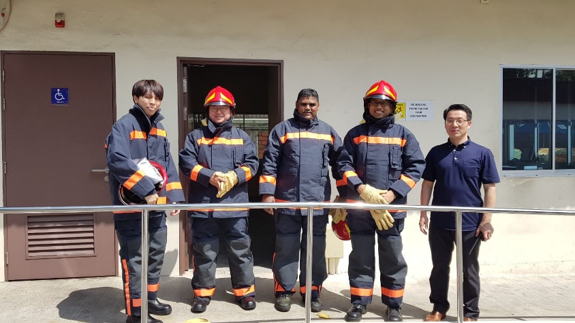
Recently, two of our organizations, Wilson Cables and EDAC Engineering, conducted safety drills at their plant premises. The teams’ response demonstrated their readiness to respond effectively in the face of workplace emergencies. Their quick and calm reactions were reflective of continuous practice and awareness of mitigation strategies.

Safety Drill at Wilson Cables

Wilson Cables CERT Team, Deputy SIC & Deputy SMC

The objective of the safety drill conducted by Singapore-based Wilson Cables was to build awareness among employees to safely escape emergencies such as fire, power outage or gas/chemical leak in the premises without injuring themselves and others.

Over 50 employees participated in the drill. The level of efficiency of their actions and the seriousness of their efforts showcased internalization of safety rules.

Mock Drill for Electric Shock Emergency by EDAC Engineering

L to R: Mr. Arun, HSE Manager, ISGEC; Mr. Senthil, Safety General Manager, NTPC; Mr. Santa, Senior Manager, ISGEC; Mr. Indra Behera, HSE Officer, EDAC Engineering

EDAC Engineering Limited conducted its safety training at the fabrication yard of Kudgi Super Thermal Power Station. This is one of the coal-based thermal power plants of NTPC Limited, which is an EDAC customer. The setting was a simulated emergency where a worker gets an electrical shock on the plant’s premises. The objective of the exercise was to assess awareness and prepare the victim’s co-workers for an emergency. They were also sensitized on the need to transfer him to the nearest hospital for further treatment at the earliest.

The success and precision of the mock drill evoked great appreciation from our customers. Mr. Indra Behera, HSE Officer at EDAC Engineering, who orchestrated the exercise, received the ‘Best Safety Award’ from NTPC for his efforts.

At AM International, we believe that safety is not a destination but a continuing journey that safeguards the interest of our employees, partners and customers. Our diligence ensures that the entire ecosystem benefits from the implementation of safety practices across our work premises.

Access to fresh water is becoming increasingly scarce due to over usage, climate change and population explosion. To counter the crisis, governments, organisations and citizens need to join hands and work collaboratively. Only collective efforts can deliver results.

At AM International, conservation of natural resources be it energy or water is key to our manufacturing competitiveness. Recently, Manali Petrochemicals Limited (MPL), part of AM International undertook measures to stop using fresh water for manufacturing purposes. The company overhauled the water supply infrastructure at its plants to use only treated tertiary sewage water with Usage of Minimum (150 KL per Day) of Fresh water for domestic and Pharmaceutical related products manufacturing process.

Water usage @ MPL

Water is a critical raw material for MPL operations. It is used in manufacturing process, washing processes and cooling systems. The plants have a daily requirement of around 6,000 kilolitres (KL) of water for both of its Units. About 73% of this – translating into 4,400 KL – is used in the manufacturing process and can accommodate water with slightly high total dissolved solids (TDS) levels. This need can be fulfilled using secondary treated sewage water. The remaining 27% water – about 1,600 KL, however, has to be high purity water.

Previously, the infrastructure at MPL plants allowed for a limited supply of high TDS water. Consequently, only 3500 KL of the daily requirement was met through reprocessed wastewater from the Kodungaiyur plant, which is a part of the Chennai Metropolitan Water Supply and Sewerage Board (CMWSSB). The rest of the high TDS water requirement was serviced through MFL’s RO rejects whose supply was inconsistent and often requiring usage of fresh water partially. The company called for water tankers from CMWSSB for its fresh water demand. However, this was expensive and inefficient.

Towards higher water efficiency

To address the challenge, MPL overhauled the water supply infrastructure at its plants. It replaced the pipeline of 10″ to 14″ from the KGR outlet to Plant 2, covering a total distance of 3 km. Further, to connect this line with Plant 1, MPL also converted the existing 6″ pipeline from P2 to P1 with a 10″ pipe covering another 3 km. Today, MPL is meeting its entire requirement of high TDS water with the new infrastructure.

Further, CMWSSB proposed to supply tertiary treated water from the Kodungaiyur plant, which would meet the purity requirements of MPL plants. This move would add sustained value to the manufacturing process by aiding to water conservation efforts and contributing to cost efficiencies. The company modified its pipeline from the outlet point of CMWSSB to both its plants. The pipeline covered a combined distance of approximately 2 km.

The infrastructure overhaul was completed over 12 months at the cost of INR 5 crore. The step benefits us on multiple counts. Firstly, it improves our access to low cost recycled water aiding in switch over to alternate sources without affecting plant operations, which is an essential raw material in our operations. Secondly, the strategy contributes to the effective use of resources, which is at the core of our business objectives. Thirdly, the use of secondary and tertiary treated water enables us to save fresh water for most basic human needs.

At AM International, it is our endeavour to implement green measures for conserving water and energy resources at our manufacturing operations for a sustainable tomorrow. Alongside, cost efficiencies, it is serves our triple bottom-line approach of People, Planet & Profits.