
The country’s only Propylene Glycol manufacturer, Manali Petrochemicals, expands its production capacity
Manali Petrochemicals Limited (MPL), India’s leading petrochemical manufacturing company and part of Singapore-headquartered AM International, has expanded its Propylene Glycol (PG) manufacturing facility in Chennai. MPL is India’s only domestic manufacturer of the chemical. With this expansion, MPL will increase its PG production capacity by 50,000 tonnes per annum (KTPA), augmenting the existing capacity of 22,000 KTPA. This strategic initiative underscores MPL’s steadfast commitment to the Government of India’s Make in India vision, bringing advanced manufacturing capabilities to the domestic market.
Manali Petrochemicals Limited (MPL), India’s leading petrochemical manufacturing company and part of Singapore-headquartered AM International, has expanded its Propylene Glycol (PG) manufacturing facility in Chennai.

Mr. Ashwin Muthiah, Chairman of MPL and Founder-Chairman of AM International, said:
“Our new state-of-the-art facility is not only a strategic investment in MPL’s future but also a firm step towards reducing India’s import dependency. This expansion reflects our continued commitment to building a stronger, self-reliant India”.
About Propylene Glycol
PG is widely used across various sectors, including pharmaceuticals, food processing, and personal care. With growing demand from both industrial and consumer markets, MPL’s capacity expansion is a strategic investment in supply chain stability, product availability, and national capability.
The new unit will go live once the required the relevant authorities issue the consent to operate certificate.
Background to the Expansion Project
There is a huge demand for propylene glycol in India and a significant quantum of it is fulfilled by imports. The annual demand for PG in the country is estimated at about 100,000 tonnes, of which about 75,000 tonnes are imported from various countries.
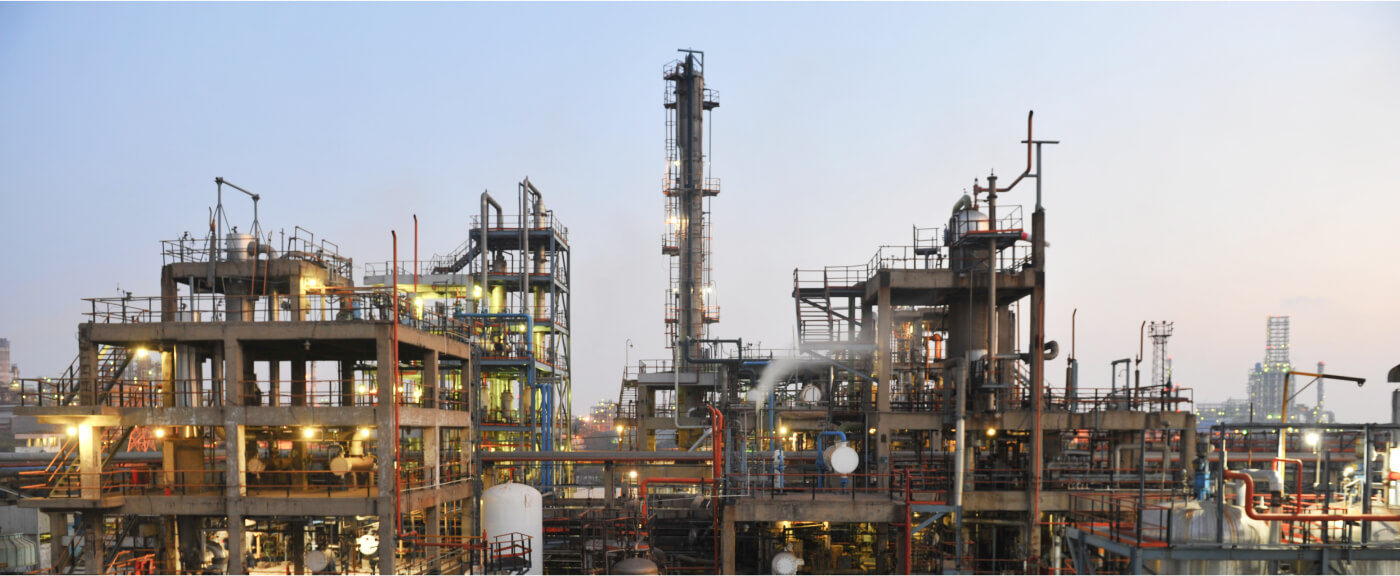
In 2020, MPL announced an investment of ₹ 150 crore to ramp up its annual production capacity of propylene glycol (PG) from 22,000 tonnes per annum to 70,000 tonnes per annum. The move was aimed to increase the domestic market of the MPL by reducing the dependence of the country on imports from China and Middle East countries. The substitution of imports will save significant import bills and will also propel India towards self-sufficiency in PG production capability.
Sharing the larger strategy of the expansion project, Mr. Muthiah had then commented, ‘The investments are in tune with our credo of creating sustainable businesses which are future proof. We are building our plants through indigenous technology and investing in our home-grown R&D efforts with a clear focus on self-reliance and world-class domestic production.’
Built on Expertise, Backed by Technology
The PG plant expansion combines advanced manufacturing systems with the expertise of a skilled local workforce. This approach allows MPL to deliver high-quality products while maintaining strong environmental and safety standards.
It also supports the ‘Make in India’ vision by strengthening domestic industry with world-class infrastructure and regionally rooted capabilities.
A Shared Milestone
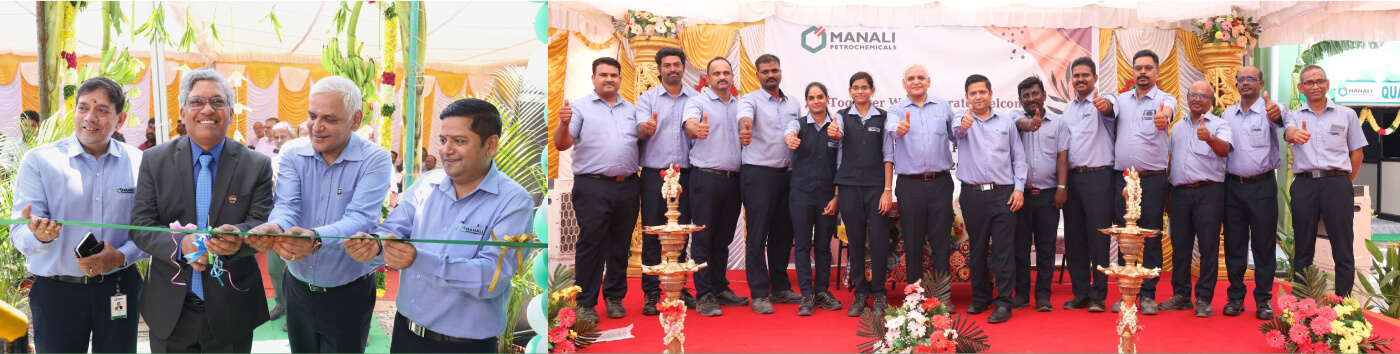
This expansion reflects the collaborative spirit of MPL’s people, partners, and the broader community. The company thanks all stakeholders—internal teams, supporters, and regulatory authorities—for their role in turning this project into reality.
MPL will continue to scale with purpose: building capacity, driving innovation, and delivering value responsibly. The expanded PG plant is another step in that direction—grounded in long-term thinking, local strength, and global-quality outcomes.
